Spring Planning for Concrete Slab Installation Projects
Spring is the perfect time for property owners to connect with local contractors who can expertly install durable concrete slabs for outdoor projects.
Spring is a popular season for concrete slab installation because it offers optimal conditions for outdoor construction projects. Warmer temperatures and longer daylight hours create a more favorable environment for setting and curing concrete, reducing the risk of delays caused by unexpected weather changes. Additionally, spring provides property owners with the opportunity to plan and complete outdoor upgrades before the busy summer season, making it easier to coordinate other landscaping or renovation tasks simultaneously. This season often inspires property owners to refresh patios, walkways, driveways, or foundation work, ensuring their outdoor spaces are ready for use as the weather warms.
Concrete slab installation services typically encompass a range of tasks designed to prepare and pour a durable, level foundation. The process usually begins with site preparation, which involves clearing the area, excavation, and grading to ensure proper drainage and stability. Then, a service provider may install forms, reinforce the slab with steel rebar or wire mesh, and pour the concrete, spreading it evenly and smoothing the surface. Finishing touches, such as sealing or texturing, may also be included to enhance the slab’s durability and appearance. Property owners can work with local contractors to customize the project based on specific needs, whether for a small patio or a large driveway.
When comparing local options for concrete slab installation, property owners should consider the experience and reputation of nearby service providers. It’s helpful to review portfolios or ask for references to gauge the quality of previous work. Additionally, understanding the scope of services offered, including site preparation, finishing techniques, and post-installation care, can assist in making an informed decision. Consulting multiple local contractors allows property owners to ask questions about their methods and materials, ensuring the selected service provider aligns with project goals. By evaluating these factors, property owners can find experienced local professionals capable of delivering a reliable, well-executed concrete slab tailored to their outdoor improvement plans.
Compare local contractors to find the best fit for your spring concrete slab project and ensure your priorities are met.
- Expert Concrete Slab Installation - Local contractors can provide professional installation tailored to your project needs.
- Quality Materials and Techniques - Service providers utilize durable materials and proven methods for long-lasting results.
- Spring Planning and Preparation - Local pros can assist with preparation to ensure your concrete slab is ready for seasonal use.
- Customized Solutions - Contractors offer solutions designed to fit specific space requirements and aesthetic preferences.
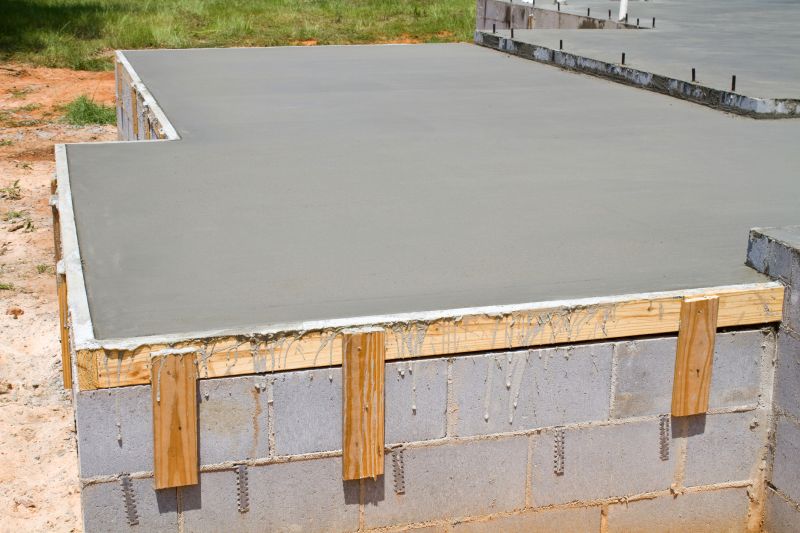
Before comparing options, clearly describe your concrete slab project to connect with local contractors who can help.
- Check that the site has a stable, well-drained base to prevent future cracking or shifting. - Proper soil preparation is essential for a durable concrete slab installation.
- Ensure that local contractors assess the project area for any underground utilities or obstructions before pouring concrete. - Identifying potential conflicts early helps avoid costly adjustments later.
- Verify that the formwork is accurately measured and securely installed to achieve the desired slab dimensions and edges. - Precise framing supports a level and even surface.
- Confirm that local service providers use appropriate reinforcement materials, such as rebar or wire mesh, to enhance slab strength. - Reinforcement helps prevent cracking and structural issues over time.
- Discuss with contractors the use of proper curing methods to ensure the concrete gains strength and durability during the spring season. - Adequate curing is vital for a long-lasting finished slab.
- Make sure the project plan includes proper drainage considerations to direct water away from the slab and prevent pooling or erosion. - Effective drainage protects the integrity of the concrete over time.
Use this to explore ideas and refine your scope with trusted local contractors for spring projects.
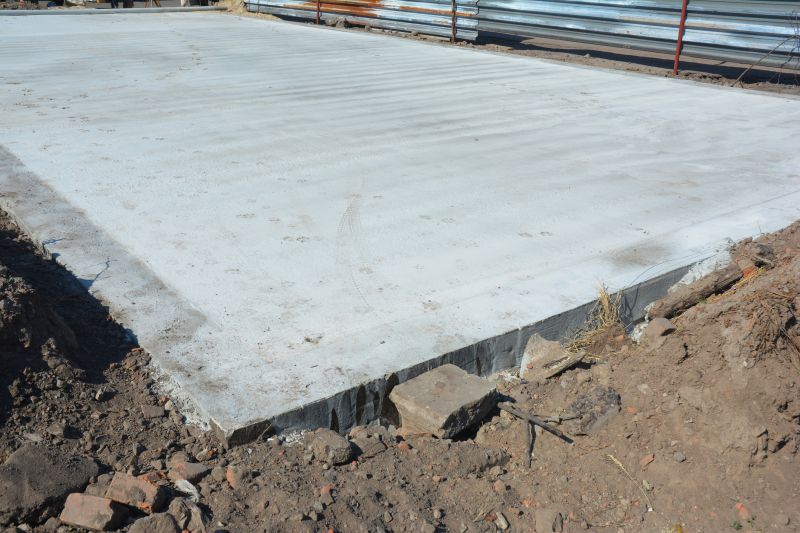
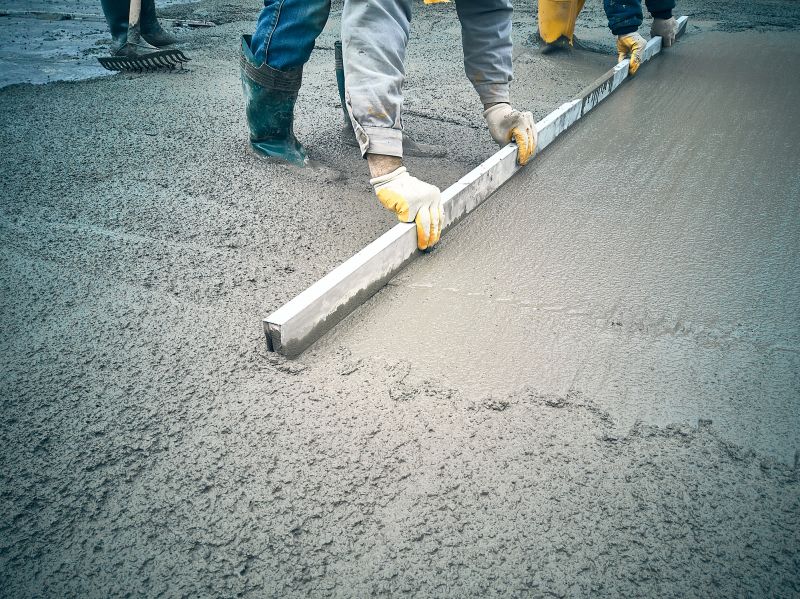
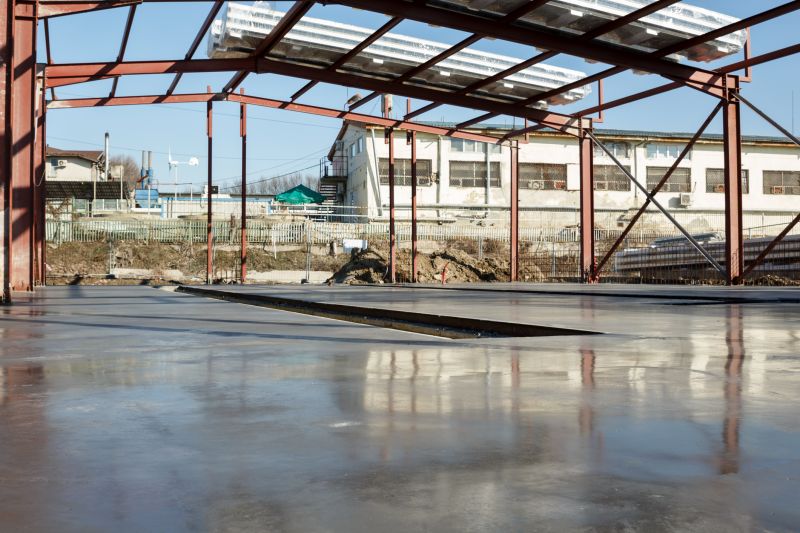
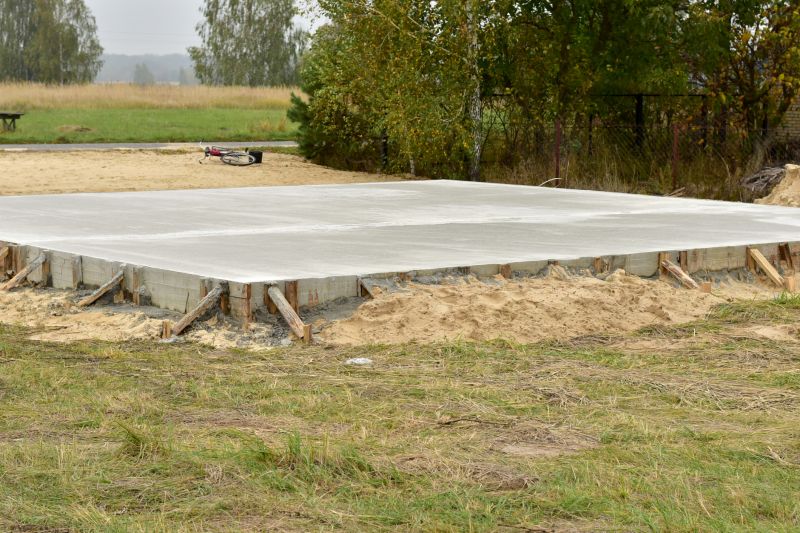
Prioritize your project needs and compare local contractors to find the best fit for your spring concrete slab installation.
- Concrete Slab Foundation - Spring is an ideal time to prepare and pour new concrete slabs for patios, driveways, or walkways, with local contractors ready to assist.
- Garage Floor Replacement - Refresh or replace existing garage slabs to improve durability and safety as outdoor projects begin to ramp up in the warmer months.
- Outdoor Living Space Construction - Install concrete slabs as the base for outdoor kitchens, seating areas, or fire pits to enhance springtime outdoor entertaining.
- Repair and Leveling - Address cracks, uneven surfaces, or settling issues in existing concrete slabs to ensure safety and longevity for upcoming seasons.
- Slope and Drainage Improvements - Work with local service providers to modify concrete slabs for better water runoff and prevent springtime flooding or pooling.
Use consistent comparison criteria across local contractors to find the best fit for your spring concrete slab project.
- Site Assessment - Define the specific location and dimensions for the concrete slab to ensure proper planning.
- Subgrade Preparation - Determine the necessary soil compaction and base materials to support the slab.
- Material Specifications - Identify the type and amount of concrete required for the project.
- Reinforcement Details - Establish the reinforcement method, such as rebar or wire mesh, suitable for the slab’s use.
- Finish and Tolerance Standards - Clarify the desired surface finish and acceptable level of flatness or elevation.
When evaluating local contractors for concrete slab installation during the spring season, it’s important to consider their experience with similar projects. Homeowners should look for service providers who have a proven track record of completing concrete slabs in outdoor settings, especially those that involve the specific conditions of springtime work, such as fluctuating temperatures and potential moisture issues. An experienced contractor can better anticipate seasonal challenges and apply appropriate techniques to ensure a durable, long-lasting result. Asking about past projects with similar scope can provide insight into their familiarity with the unique aspects of spring installation.
A clear, written scope of work is essential when comparing local service providers for concrete slab projects. Homeowners should seek contractors who can provide detailed descriptions of the work to be performed, including site preparation, type of concrete, finishing methods, and curing processes. A well-defined scope helps prevent misunderstandings and ensures that both parties have aligned expectations. It also allows homeowners to assess whether the contractor’s approach aligns with their project goals and whether any additional work or materials might be necessary to complete the job effectively.
Work planning considerations are particularly relevant during the spring season, as weather conditions can influence project timelines and quality. Homeowners should inquire how local contractors plan around unpredictable spring weather, such as rain or fluctuating temperatures, which can impact curing times and surface finish. Experienced service providers often have contingency plans and scheduling flexibility to accommodate seasonal variability. Understanding their approach to site preparation, scheduling, and moisture management can help ensure the project proceeds smoothly and results in a high-quality concrete slab.
When comparing options, homeowners should focus on evaluating the expertise, communication clarity, and professionalism of local contractors rather than just prices. It’s beneficial to ask how each service provider plans their work, what steps they take to ensure quality, and how they handle potential challenges related to spring installation. By emphasizing experience with similar projects, clear scope definitions, and thoughtful work planning, homeowners can make informed decisions about which local pros are best suited to handle their concrete slab installation during the spring season.
Request written scope details to ensure clarity and consistency when planning your spring concrete slab project.
- Scope Definition - What specific aspects of concrete slab installation do local contractors typically include in their scope?
- Material Options - How do local service providers compare in offering different concrete materials suitable for spring installation?
- Preparation Requirements - What site preparation steps do local pros recommend to ensure proper slab installation during spring?
- Project Scope Comparison - How can homeowners differentiate between service providers based on the scope of work they propose?
- Seasonal Planning - What considerations do local contractors highlight for scheduling concrete slab work in the spring season?
What is involved in installing a concrete slab? Installing a concrete slab typically includes site preparation, forming the area, pouring the concrete, and finishing the surface. Local contractors can handle each step to ensure a durable and level result.
How should I prepare the site for a new concrete slab? Proper site preparation involves clearing debris, grading the area for drainage, and installing a stable base. Experienced service providers can assess and prepare the site effectively.
What are common finishes available for concrete slabs? Common finishes include smooth, textured, stamped, or exposed aggregate surfaces. Local pros can help select and apply the finish that best suits the project’s aesthetic.
Is reinforcement necessary for a concrete slab? Reinforcement, such as rebar or wire mesh, is often used to improve strength and prevent cracking. Contractors can determine the appropriate reinforcement based on the slab's use and size.
What factors influence the longevity of a concrete slab? Proper installation, quality materials, and appropriate curing contribute to a long-lasting slab. Local service providers can ensure these factors are properly addressed during installation.
How does seasonal weather affect concrete slab installation in spring? Spring weather can impact curing times and setting processes. Experienced contractors understand how to adapt work to seasonal conditions for optimal results.
Spring is an ideal time to consider concrete slab installation, whether for a new patio, driveway, or foundation. Visitors learned about the key steps involved in the process, the importance of proper site preparation, and how experienced local contractors can help ensure a durable and level surface. By exploring options through this platform, homeowners can compare local service providers to find those best suited for their project needs.
Utilizing the quote form allows visitors to easily connect with local contractors who specialize in concrete slab installation. This approach helps gather information, compare services, and make informed decisions, all while focusing on the seasonal motivation to refresh outdoor spaces. Taking a moment to reach out can support making well-informed choices for springtime projects.
Providing clear details about your concrete slab project helps local contractors understand your needs and plan effectively.
- Project Details - Share specific measurements, design preferences, and intended use for the concrete slab.
- Site Conditions - Provide information about the location, soil type, and accessibility of the installation area.
- Preparation Requirements - Describe any existing groundwork or site preparation needed before installation.
- Additional Features - Indicate if there are plans for reinforcement, finishing, or decorative elements.